Source Power Galvanized Eye Bolt for Line, Substation, and Machinery
Find 30 listings for power galvanized eye bolt designed for line fittings, substation fittings, and machinery applications. Compare specifications including material grades, surface finishes, and customization options from verified suppliers.
Key considerations
Products List


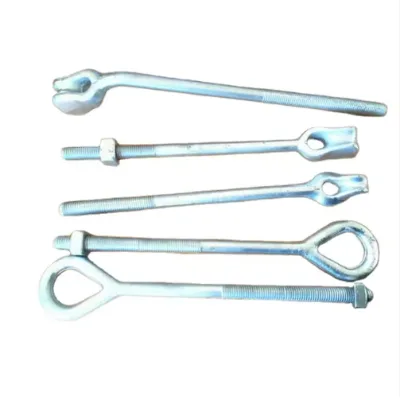
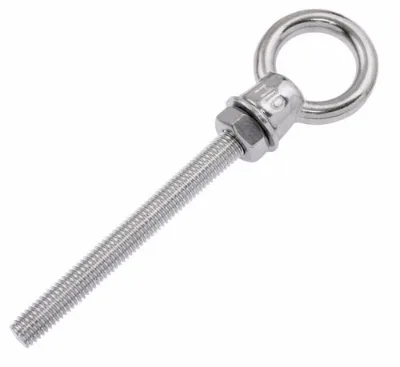
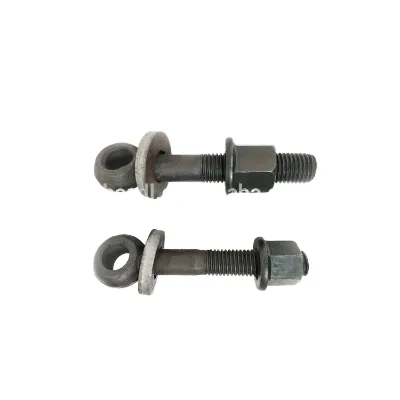
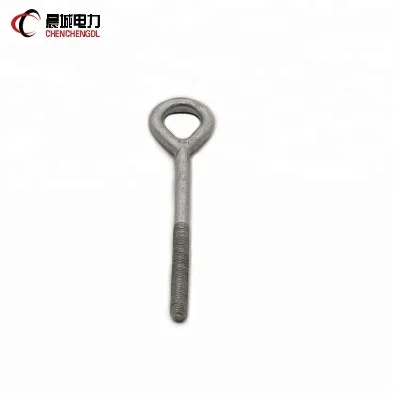
Comprehensive Sourcing Guide
Strategic Sourcing Guide for Power Galvanized Eye Bolts
Understanding Product Specifications and Material Composition
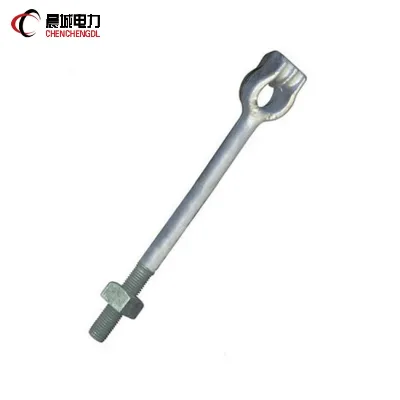
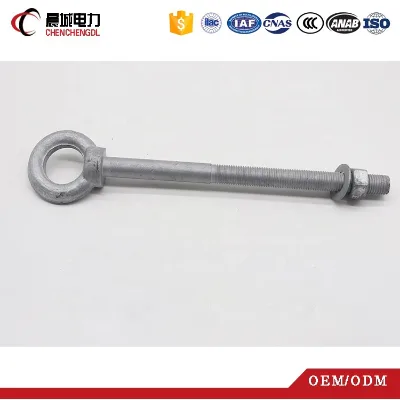
When sourcing power galvanized eye bolts, buyers must first establish a precise understanding of the product's technical identity. The core keyword "power galvanized eye bolt" refers to a specialized fastener designed for high-stress applications within electrical power transmission and distribution networks. Based on observed market data, these components are fundamentally categorized under "Link Fittings" and "Line Fittings," with specific usage extending to "Substation Fittings." The primary material composition identified in the supply chain is steel, specifically carbon steel, which provides the necessary tensile strength for power infrastructure.
The manufacturing process plays a critical role in the final product's durability. The observed surface finishing techniques include "Hot Galvanizing" and "Hot-DIP Galvanized" processes, which are essential for corrosion resistance in outdoor environments. Additionally, some variants may feature "Zinc Plated" finishes, though for power applications, hot-dip galvanization is generally the preferred standard for long-term protection. The product models vary significantly, ranging from standard "Eye Bolt" and "Forged Eye Bolt" configurations to specialized "Three Eyes Link" designs. The physical dimensions are equally diverse, with observed model specifications including metric sizes such as M6, M8, M10, M12, M14, M16, M22, and M24, as well as specific length configurations like M10x120mm.
The head style of these bolts is typically "Round" or "Pan Head," and the connection mechanism often involves "Hinged Bolts" to allow for rotational movement under load. The shape is predominantly "U Shape," which is critical for the mechanical interlocking required in line fittings. Buyers should note that while "Cold Pressing" is a documented technique, the forging process is implied for high-strength power fittings. The product origin is consistently noted as China, with specific manufacturing hubs like Qingdao emerging as key locations. Understanding these baseline attributes is the first step in defining a robust procurement requirement.
Compliance Standards and Certification Verification
In the power industry, compliance is not merely a formality but a safety imperative. The sourcing guide must emphasize the verification of international and national standards. The observed market data indicates that suppliers adhere to a wide array of standards, including DIN, GB, ANSI, BSW, JIS, and GOST. Specific product standards cited include DIN580, DIN582, DIN1168, and DIN1169, which govern the dimensions and mechanical properties of eye bolts. Furthermore, the "ISO" standard is frequently referenced, alongside "Steel" as a material standard.
Buyers must verify that the supplier's documentation explicitly references the applicable standard for the specific model being ordered. For instance, a "Three Eyes Link" may require different compliance checks compared to a standard "Eye Bolt." The certification landscape is equally critical. Observed certifications include ISO, GS, RoHS, and CE. While CE is a common mark, buyers should treat it as a verification point rather than an automatic guarantee, ensuring the specific product batch carries valid certification. The "GS" mark indicates German safety compliance, and "RoHS" confirms the absence of restricted hazardous substances, which is vital for environmental compliance in many regions.
It is important to distinguish between product standards and material standards. While "Steel" is listed as a standard, it refers to the material grade rather than a manufacturing process standard. The "GB" standard is also prominent, reflecting domestic Chinese manufacturing norms. Buyers should request test reports that correlate the physical product with these specific standard numbers. The "Condition" of the product is typically listed as "New," but this should be verified against physical inspection reports to ensure no prior handling damage or corrosion has occurred. The "Customized" nature of many products means that standard compliance may need to be adapted to specific customer drawings, requiring a rigorous review of the "as drawing" standard clause.
Cost Drivers and Pricing Dynamics
The pricing structure for power galvanized eye bolts is influenced by several dynamic factors. The observed price range in the market spans from $0.01 to $100 USD, a wide variance that reflects differences in size, material grade, and manufacturing complexity. A small M6 zinc-plated bolt will naturally fall at the lower end of this spectrum, while a large, forged, hot-dip galvanized substation fitting will command a higher price. The "Customization" factor is a primary cost driver; products made to "Customer Requirements" or "as drawing" often incur higher unit costs due to the need for specialized tooling and lower production volumes.
Material costs are a significant component of the final price. Carbon steel prices fluctuate based on global market conditions, and the "Hot-DIP Galvanized" process adds a substantial layer of cost compared to simple "Zinc Plating." The thickness of the galvanization layer, which directly impacts corrosion resistance, is a variable that suppliers may adjust based on the agreed-upon price point. Buyers should be aware that the "Lead Time" of 15 days is a standard observation, but expedited orders or custom designs may extend this period, potentially affecting the overall cost structure through rush fees or air freight charges.
The "MOQ" (Minimum Order Quantity) range of 1 to 1000 units also influences the unit price. Smaller orders, particularly those under 100 units, often carry a premium due to setup costs. Conversely, bulk orders approaching the 1000-unit threshold may benefit from economies of scale. Packaging costs are another hidden variable; options range from simple "Package" or "Boxes" to "Pallet" and "Wooden Case" configurations. For international shipping, "Wooden Case" packaging is often required for heavy industrial fittings, adding to the total landed cost. Buyers must balance the initial unit price against the total cost of ownership, which includes packaging, shipping, and potential inventory holding costs.
Typical Applications and Usage Scenarios
The versatility of power galvanized eye bolts makes them suitable for a broad spectrum of applications. The primary usage is in "Line Fittings" and "Substation Fittings," where they serve as critical connection points in high-voltage transmission lines. In these scenarios, the bolts must withstand significant mechanical tension and environmental stress. The "Three Eyes Link" configuration is particularly useful in complex rigging systems where multiple connection points are required in a single assembly.
Beyond the power grid, these fittings are utilized in "Machinery" and "Building" applications. The "Industrial" usage category encompasses heavy equipment rigging, where the "Hinged Bolts" feature allows for articulation under load. The "Pull-Line Fitting" designation suggests specific use in tensioning systems for guy wires or structural supports. The "Shackle, Thimble, Hook, Anchor" product names indicate that these eye bolts are often part of a larger assembly system used in lifting and securing operations.
The "Color" of the product is typically "Silver," resulting from the galvanization process, which also serves as a visual indicator of the protective coating. The "Shape" being "U Shape" is fundamental to its function in creating secure loops for ropes, cables, or chains. Buyers should consider the specific environmental conditions of the application site. For coastal or highly corrosive environments, the "Hot-DIP Galvanized" finish is non-negotiable. In contrast, indoor machinery applications might suffice with "Zinc Plated" variants, provided the load requirements are met. The "Application" field also notes "Machinery" and "Building," suggesting that these fittings are integral to structural integrity in construction projects and industrial machinery assembly.
Supplier Evaluation and Origin Verification
Evaluating suppliers for power galvanized eye bolts requires a multi-faceted approach. The observed "prod_origin" is consistently "China," with "Qingdao China" identified as a specific manufacturing hub. This concentration of production in a specific region can be advantageous for logistics but requires careful vetting of individual factories. Buyers should verify the supplier's ability to handle "Customization" requests, as the market data indicates that "Customized" and "by Customer Requirements" are common attributes. This implies that many suppliers operate on a made-to-order basis rather than holding extensive stock of every variation.
The "prod_packing" options, ranging from "Pallet" to "Wooden Case" and "Boxes With Wooden Pallets," offer insight into the supplier's logistical capabilities. A supplier offering robust packaging options is better equipped to handle international shipping and protect the product from damage. The "Delivery Time" of 15 days is a standard benchmark, but buyers should confirm if this applies to stock items or custom orders. Custom orders may require longer lead times, and the supplier's ability to meet these timelines is a key performance indicator.
Certification verification is paramount. The presence of ISO, GS, RoHS, and CE certifications in the product data suggests a baseline level of quality management. However, buyers must request current certificates for the specific production batch. The "Standard" field lists "DIN, GB, ANSI, BSW, JIS, GOST," indicating that a competent supplier should be capable of producing to various international standards. Buyers should ask for a matrix of capabilities showing which standards the supplier can certify for each product model. The "Technics" of "Cold Pressing" and the "Finish" of "Hot Galvanizing" should be verified through on-site audits or third-party inspection reports to ensure the manufacturing process matches the claims.
Quality Control and Long-Term Procurement Strategy
Quality control for power galvanized eye bolts must be rigorous, given the safety-critical nature of the applications. The "Condition" is listed as "New," but this must be validated through visual and dimensional inspections. Buyers should implement a quality assurance protocol that includes checking the thickness of the galvanization layer, verifying the mechanical properties of the carbon steel, and ensuring the "Hinged Bolts" function smoothly without binding. The "Surface Finish" of "Hot-DIP Galvanized" should be inspected for uniformity and absence of drips or bare spots, which could lead to premature corrosion.
Long-term procurement considerations involve building a relationship with suppliers who can maintain consistency. The "Customization" aspect means that once a design is approved, the supplier must be able to replicate it exactly over time. Buyers should establish clear specifications for "prod_standard" and "prod_model" to avoid ambiguity. The "Length" being "Custimized" (Customized) requires precise communication of dimensions to prevent errors. The "Standard" of "as drawing" is a common clause, but it places the burden of accuracy on the buyer to provide clear, unambiguous technical drawings.
To mitigate risks, buyers should consider a phased procurement strategy. Start with a small trial order to verify quality, packaging, and delivery times before committing to larger volumes. The "MOQ" range of 1 to 1000 allows for flexibility in this approach. Regular audits of the supplier's production line, particularly the "Hot Galvanizing" and "Forged" processes, can ensure ongoing compliance. The "Lead Time" of 15 days should be factored into inventory planning to prevent stockouts. Finally, buyers should maintain a clear record of all certifications and test results for each batch, ensuring traceability in case of future quality issues or audits. By adhering to these rigorous standards, buyers can secure a reliable supply of high-quality power galvanized eye bolts for their critical infrastructure projects.
FAQs
What materials are used for power galvanized eye bolts?
These bolts are primarily made from carbon steel or steel to ensure high tensile strength. Some variants feature a zinc-plated finish, but hot-dip galvanizing is the standard for corrosion resistance in outdoor power applications.
Which international standards do these fittings comply with?
Suppliers typically adhere to DIN, GB, ANSI, BSW, JIS, and GOST standards. Specific product standards often include DIN580, DIN582, DIN1168, and DIN1169, ensuring dimensional and mechanical consistency for line and substation fittings.
Can I order custom dimensions for these eye bolts?
Yes, customization is available based on customer requirements or specific drawings. Buyers can request custom lengths and specifications, though this may affect lead times and unit costs compared to standard stock items.
What is the typical delivery time for these fittings?
The standard delivery time is approximately 15 days for most orders. However, customized designs or large bulk orders may require extended lead times depending on the manufacturer's production capacity and current workload.
How are these products packaged for international shipping?
Packaging options include pallets, boxes with wooden pallets, or wooden cases. The specific packaging method depends on the order size and customer requirements to ensure safe transport and protection against damage during transit.
What certifications are available for these power fittings?
Common certifications include ISO, GS, RoHS, and CE. Buyers should verify that the specific production batch carries valid documentation for these standards to ensure compliance with safety and environmental regulations.